
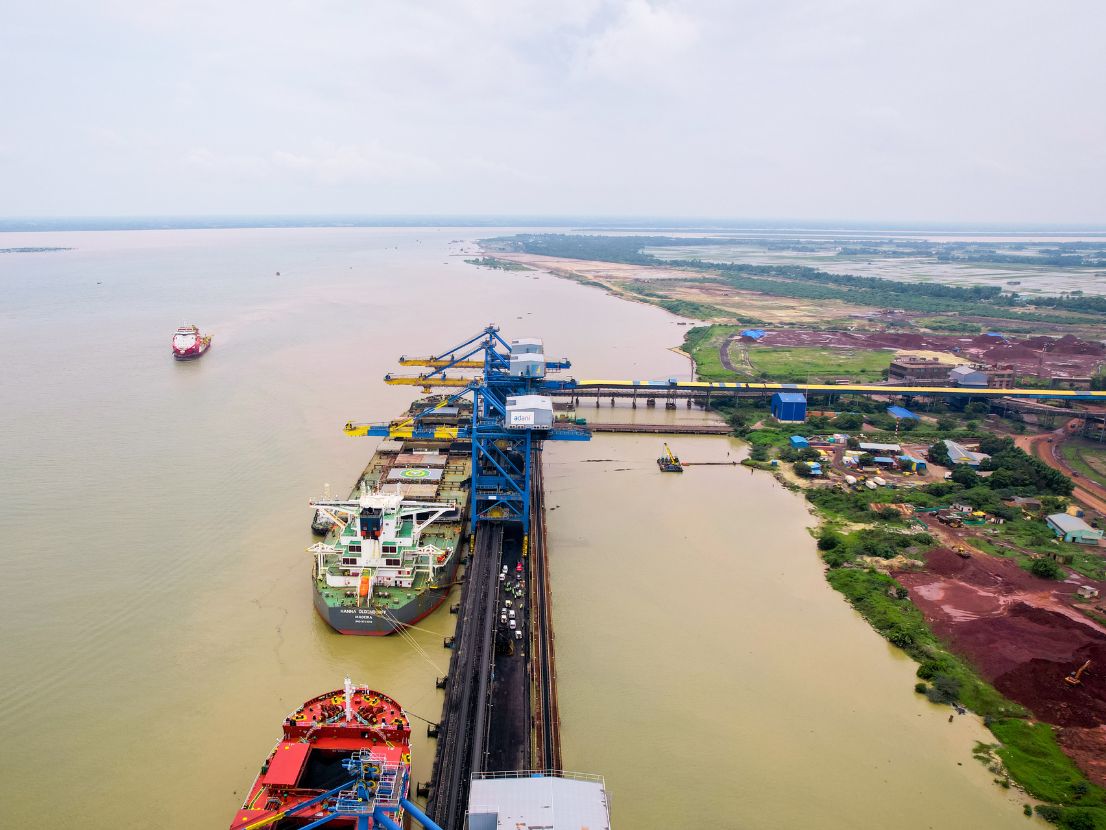
Creating a powerful safety film for one of India’s leading ports is more than just shooting visuals — it’s about understanding risk, responsibility, and the people who work in high-intensity environments every single day. When Adani Dhamra Port partnered with LTM Creation to produce a safety training video, we knew this project demanded precision, planning, and a deep respect for their operational ecosystem.
This blog takes you behind the scenes — from the first draft of the script to the final edited film — and shows how we transformed a complex concept into a clear, impactful safety communication tool.
1. Understanding the Mission: Safety First
Before we touched a camera, our team visited Dhamra Port for a recce session. Ports are high-risk zones with:
Heavy machinery
Massive cargo handling
Vessel movement
High-temperature areas
Strict compliance rules
The goal of the film was simple:
Communicate every safety protocol in a clear, visual, and easy-to-understand way for workers and visitors.
We studied:
Port safety guidelines
PPE protocols
Emergency response systems
On-ground operations and workflows
This helped us create a script that was technically accurate and easy to understand.
2. The Script: Turning Safety Rules into Visual Stories
A good safety film doesn’t just “tell” — it shows.
Our writers crafted a script focusing on:
Mandatory PPE
Hazards in loading/unloading zones
Fire safety and emergency procedures
Visitor guidelines
Do’s and Don’ts for port operations
We used a story-based approach, not just instructions.
The idea was to communicate safety in a way that engages viewers, not overwhelms them.
3. Pre-Production of Safety film at Dhamra Port: Planning Every Shot
With the script ready, we moved into pre-production:
Shot breakdown
Equipment planning
Safety clearances
Scheduling with port authorities
On-ground coordinator assignment
We ensured our crew followed strict port safety protocols during the shoot — helmets, PPE, movement restrictions, etc.
Every shot was planned to show:
Real workers
Actual environments
True-to-life scenarios
Because authenticity builds trust.
4. Production: Capturing High-Risk Zones Safely
Shooting at a port is a challenge — the location is dynamic, noisy, and always operational.
Our cinematography team used:
Gimbals & stabilizers — for smooth walkthrough shots
Telephoto lenses — to shoot safely from a distance
Drones — (only in permitted zones) for wide, aerial safety visuals
Lavalier mics — for clear voiceover inputs
We captured:
Crane operations
Truck movement
Cargo stacking
Worker training
Safety inspections
Emergency zones
The footage showcased the real intensity of operations — a crucial part of a powerful safety film.
5. Post-Production: Crafting Clarity
Once filming wrapped, our editors began shaping the final film:
Clean and authoritative voiceover
Motion graphics to highlight rules
Clear text overlays
Emergency icons / hazard symbols
Background music with a serious tone
Color grading for uniformity
The final video was:
Easy to understand
Engaging
Professionally polished
Fully aligned with Adani’s safety standards
6. Delivery: A Film That Saves Time, Reduces Errors & Enhances Compliance
The safety film now acts as a visual training tool for:
New workers
Visitors
Contractors
Onboarding teams
It ensures that every individual entering the port understands their role in maintaining safety.
That is the power of a well-crafted safety video — it saves lives, time, and resources.
Conclusion
Creating a safety film for Adani Dhamra Port wasn’t just a project — it was a responsibility.
At LTM Creation, we believe video production is not just about visuals; it’s about impact.
From scriptwriting to the final edit, every step was designed to deliver clarity, professionalism, and trust — the core of effective safety communication.
If your organization needs a professional safety, training, or corporate video, our team is ready to help.
Visit Our Service Page: https://ltmcreation.com/services/


