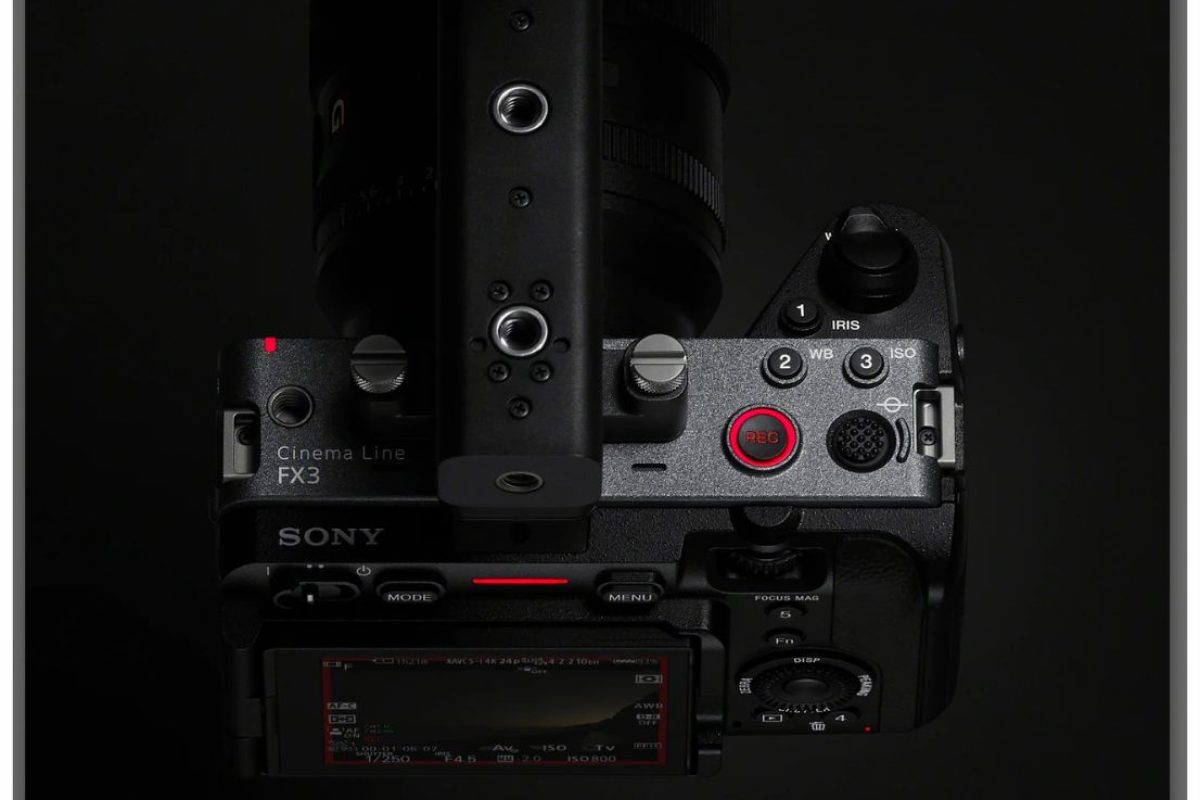
When a big-budget Hollywood feature film like The Creator uses a compact cinema camera such as the Sony FX3, it naturally grabs the attention of filmmakers and brands alike. Many people assume that only large, heavy cinema cameras can deliver cinematic results—but this film proved otherwise.
So why did the Director of Photography (DOP) choose the Sony FX3 for a feature film? And what does that decision mean for professional video production today? Let’s break it down in a simple, practical way.
About Sony FX3: A Compact Cinema Powerhouse
The Sony FX3 is part of Sony’s Cinema Line, designed to deliver cinematic visuals in a compact and lightweight body. While it may look small, it’s built with professional filmmaking in mind.
Key highlights:
-
Full-frame sensor
-
10-bit color depth
-
Exceptional low-light performance
-
Cinematic color science (S-Cinetone)
-
Compact, handheld-friendly design
These features made it a strong choice for a film like The Creator.
Why the DOP Chose Sony FX3 for The Creator
1. Freedom of Movement
One of the biggest reasons the FX3 was chosen is its small size and lightweight design.
For a visually rich film with dynamic scenes, the camera allowed the crew to:
-
Shoot handheld comfortably
-
Mount the camera in tight spaces
-
Capture natural, immersive movements
This flexibility helped achieve a more realistic and grounded cinematic feel.
2. Cinematic Image Quality in a Small Body
Despite its compact size, the FX3 delivers:
-
Rich details
-
Natural skin tones
-
High dynamic range
The DOP could achieve a cinematic look without relying on extremely large camera rigs, proving that image quality doesn’t depend on camera size.
3. Excellent Low-Light Performance
Many scenes in The Creator feature natural lighting and low-light environments.
The Sony FX3 is known for its dual base ISO and clean low-light output, allowing the crew to:
-
Shoot with minimal artificial lighting
-
Preserve the natural atmosphere of scenes
-
Reduce setup time
This approach made scenes feel more realistic and visually immersive.
4. Natural Color Science
Sony’s S-Cinetone color profile played a key role.
It delivers:
-
Film-like contrast
-
Soft highlights
-
Accurate skin tones
This reduced heavy color correction work in post-production while maintaining a cinematic look.
5. Faster, More Efficient Filmmaking
Using a compact cinema camera helped the production team:
-
Move faster between setups
-
Shoot in real locations more easily
-
Reduce logistical challenges
For modern filmmaking, efficiency is just as important as visual quality—and FX3 delivered both.
What This Means for Filmmakers & Brands
The success of The Creator shows an important truth:
You don’t always need the biggest camera to create cinematic visuals.
For:
-
Commercial ad films
-
Brand videos
-
Corporate films
-
Documentaries
-
High-end social media content
Cinema cameras like the Sony FX3 can deliver film-level quality when used by experienced professionals.
How This Influences Professional Video Production
At production houses like LTM Creation, camera choice is about storytelling, flexibility, and efficiency, not just specifications.
Cameras like the Sony FX3 allow:
-
Cinematic storytelling
-
Faster shoots
-
Better mobility
-
Premium-quality visuals for clients
This is why modern video production is shifting toward compact cinema cameras.
Services Ltmcreation provided : https://ltmcreation.com/services/
Final Thoughts
The Sony FX3’s use in The Creator proves that technology has changed the filmmaking landscape. A compact camera, when paired with creative vision and professional expertise, can deliver feature-film-quality results.
For brands and businesses, this means better visuals, smoother shoots, and cinematic content—without unnecessary complexity.
Movies shoot in FX3: https://www.wearecreativecoffee.com/posts/five-remarkable-film-projects-made-with-the-sony-fx3